Estella Gardens: Crafting Visual Poetry with a Hand-Brushed Script Font
The Allure of Artisanal Lettering in a Digital World
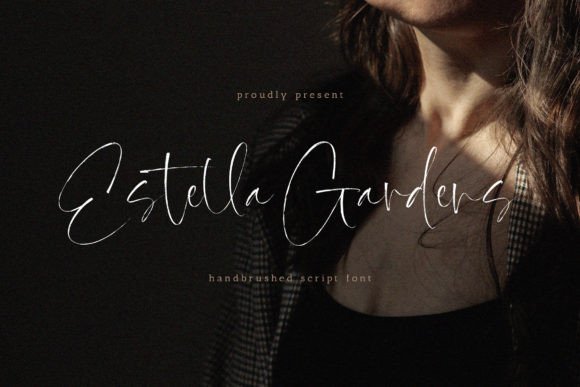
In an era saturated with geometric sans serifs and rigid corporate typefaces, there is a profound yearning for authenticity. Estella Gardens answers that call by offering more than just a set of characters; it delivers a distinct voice. This premium font is defined by its hand-brushed aesthetic, where every curve and connection mimics the unpredictable beauty of ink flowing from a brush tip. It captures the essence of modern typography while retaining the warmth of artisanal craftsmanship. For designers and creators, this isn't just a script font; it is a tool for visual storytelling. The organic lines suggest human presence behind the screen, making it an ideal choice for projects that require a personal touch rather than mechanical precision.
The visual personality of Estella Gardens lies in its balance. While it possesses the flair of a display font, it maintains a surprising level of structural integrity. The letterforms feature graceful, sweeping swashes that add drama without overwhelming the legibility of the core text. It strikes a harmonious chord between modern sophistication and relaxed elegance. Whether you are designing a wedding invitation or a high-end product label, the font adapts to the mood you set. It does not scream for attention; rather, it invites the viewer in with a whisper of luxury and a nod to bespoke design.
Strategic Applications: Where Estella Gardens Shines
Understanding where to deploy a creative font like Estella Gardens is key to maximizing its impact. In brand identity work, this typeface serves as a powerful anchor for brands that want to appear approachable yet premium. Think of artisanal coffee roasters, boutique florists, independent skincare lines, or lifestyle consultants. When used for logo design, it creates an immediate emotional connection, suggesting that the brand values quality and attention to detail. It pairs exceptionally well with a clean sans serif font for body copy, allowing the script to take center stage on headers and logos without causing visual fatigue.
Beyond logos, Estella Gardens excels in packaging design and editorial design. On a shelf crowded with generic typography, a hand-brushed script can differentiate a product instantly. Imagine this font on a candle label, a bakery box, or a wine bottle—it instantly elevates the perceived value of the product inside. For publishers and bloggers, it transforms standard layouts into magazine-quality spreads. It is particularly effective in the food, travel, and fashion niches, where visual storytelling is paramount. Even in the digital realm, such as social media graphics or hero images on a web design project, Estella Gardens adds a layer of depth that standard web fonts often lack.
The Psychology of Typography and Audience Engagement
Fonts communicate silently, and Estella Gardens speaks a language of refinement and care. When your audience sees a handwritten font that is executed with such fluidity, it subconsciously signals that the creator has invested time and effort. This perception of effort translates into trust. For entrepreneurs and small business owners, this is crucial. A well-chosen typeface influences brand perception; it tells the customer that you care about the details. Using a commercial font of this caliber ensures professionalism—you avoid the amateur look of overused system fonts while maintaining the uniqueness of a custom lettering piece.
Furthermore, typography plays a vital role in visual hierarchy. By using Estella Gardens for headlines or pull quotes, you create a clear contrast against more neutral body text (like a serif font or sans serif font). This contrast guides the reader’s eye, improving readability and audience engagement. The script style draws the eye to the most important information first. However, it is important to use this style judiciously. A full paragraph in a brush script can be difficult to read; the magic happens when you use it to highlight key messages, creating a rhythm in your design that feels natural and easy to digest.
Practical Guide to Implementing This Design Asset
Integrating Estella Gardens into your workflow requires a thoughtful approach to ensure it enhances rather than hinders your project. The first step is evaluating the project fit. Ask yourself: Does the tone of the project require a human touch? If the answer is yes, proceed to testing font pairing. A common mistake is pairing a script font with another ornate typeface. Instead, look for a sturdy, geometric sans serif or a classic serif font to provide a stable foundation. The contrast between the organic brush strokes and the structured geometry of a partner font will make the design pop.
When you install Estella Gardens, take time to explore the included styles and glyphs. High-quality design assets often come with alternate characters and ligatures that allow you to customize the look of specific words. This is particularly useful for logo design, where you might want to connect letters in a unique way or swap out a capital letter for a more elaborate swash version. Always test the font at the size it will be viewed. A script that looks elegant at 48pt might lose its definition at 12pt. Finally, regarding commercial licensing, ensure you have the correct license for your specific use case, whether it is for physical products, digital templates, or client work. Treating typography as a valuable asset ensures your work remains professional and legally sound.