Rain: A Script Font for Handwritten Elegance
There’s a particular kind of design challenge that calls for a human touch. You’re working on a wedding invitation, a boutique logo, or a heartfelt thank-you card, and the standard sans serif or serif font feels too sterile, too corporate. You need something that looks like it was written by a hand, but a skilled, graceful one. This is where Rain enters the conversation. It’s not just another script font; it’s a carefully crafted typeface designed to deliver a specific blend of sophistication and personal warmth.
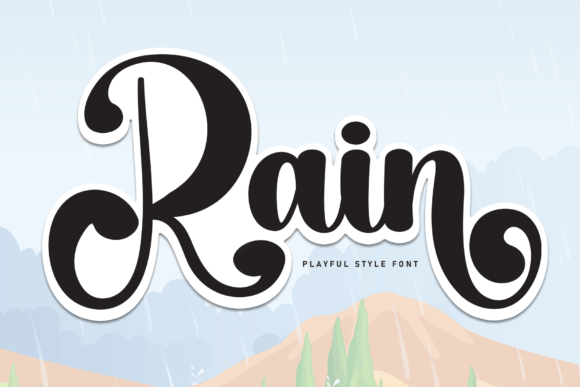
Rain is a premium font that belongs to the script category, but its character sets it apart. Its visual personality is one of fluid, connected letterforms with a gentle, flowing rhythm. The strokes have a natural, calligraphic quality—thick where pressure would be applied and thin where the pen lifts—creating a dynamic contrast that’s pleasing to the eye. This isn’t a rough, scratchy handwritten font; it’s a stylish and incredibly elegant interpretation, making it feel both personal and polished.
Where This Font Truly Shines
The real value of a creative font like Rain is in its application. Its strength lies in projects where emotional resonance and aesthetic appeal are paramount. Think of the tangible touchpoints of a brand or a personal project. For wedding invitations, it brings a sense of romance and bespoke craft. On thank you cards and greeting cards, it conveys genuine sentiment. For quotes and short-form editorial design, it adds a layer of artistic flair that a standard serif font or sans serif font simply can’t achieve.
But its utility extends far beyond stationery. In logo design, particularly for businesses in the lifestyle, fashion, wedding, or artisanal food sectors, Rain can form the core of a memorable brand identity. It suggests craftsmanship, attention to detail, and a human-centric approach. For packaging design, especially on labels for cosmetics, gourmet goods, or boutique products, it elevates the product’s perceived value. In the digital realm, it’s excellent for social media graphics, blog post headers, or website hero sections where you want to capture attention with a touch of elegance. The key is using it for display purposes—headlines, logos, and short impactful text—rather than for body copy.
Making Rain Work in Your Projects
Choosing a display font like Rain requires a bit of practical evaluation. First, consider the project’s tone. Rain’s personality is elegant and fluid, so it pairs best with designs that lean toward classic, romantic, or sophisticated aesthetics. For a more rustic or edgy feel, a different handwritten font might be better suited.
Next, think about font pairing. A script font like Rain rarely works alone. For readability and visual hierarchy, pair it with a clean, neutral typeface. A simple sans serif font for subheadings or body text creates a beautiful contrast that lets Rain’s elegance stand out without overwhelming the viewer. When testing, create mockups at the actual size it will be used. Check the legibility of individual letters, especially in a logo context, and ensure the flow between characters feels natural.
Always review what’s included with the font. A quality script font like Rain often comes with stylistic alternates, swashes, or ligatures that allow for customization and unique typographic compositions. These design assets can be the difference between a generic application and a truly bespoke one. Finally, for any commercial project—whether it’s a client’s logo, a product for sale, or marketing materials—ensure you have the appropriate commercial font license. Using a font correctly is as important as choosing the right one.
In the landscape of modern typography, Rain holds a specific and valuable place. It’s a tool for adding a layer of human elegance and emotional connection. By understanding its strengths, applying it thoughtfully, and pairing it wisely, you can leverage this premium font to create designs that are not only beautiful but also deeply resonant with your audience.