The Hantom: An Elegant Script for Timeless Design
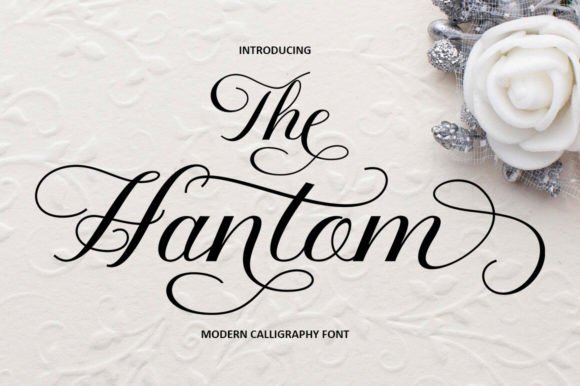
Finding a typeface that feels both personal and professional can be a real challenge. You want something with character, a font that doesn't just sit on the page but speaks to the viewer. This is where a premium font like The Hantom enters the conversation. It's a script font built from the foundation of classic copperplate calligraphy, but it’s been infused with the relaxed, organic energy of hand lettering. The result is a typeface that manages to be elegant without being stuffy, and personal without sacrificing readability.
The Personality Behind the Curves
At its core, The Hantom is defined by its fluid connections and balanced rhythm. It doesn't try to mimic the rough edges of a marker or a paintbrush. Instead, it offers a clean, sophisticated baseline that makes it incredibly versatile. The visual style is distinctly feminine and sensual, yet it remains simple enough to be used in high-volume text applications. You will notice the subtle variations in the stroke width, a nod to the pressure applied in traditional calligraphy, which gives the letters a sense of life and movement.
What truly sets this creative font apart is its collection of alternative characters. A standard script can sometimes look repetitive, especially in longer words or headlines. The Hantom solves this by offering stylistic alternates and swashes. These allow you to customize the look of specific letters, ensuring your typography feels handcrafted and unique every time you use it. This feature is invaluable for logo design and brand identity projects where distinctiveness is key.
Practical Applications: Where The Hantom Shines
Understanding a font’s strengths helps you deploy it effectively. The Hantom is not a display font meant only for giant headlines, nor is it a workhorse body text like a standard serif font or sans serif font. It occupies a specific, valuable middle ground. It excels in projects that require a human touch and a sense of luxury.
- Stationery and Invitations: This is the font's natural habitat. For wedding cards, save-the-dates, or high-end event invitations, The Hantom provides the classic romance and formality required. It reads beautifully at the medium sizes typical of invitation suites.
- Packaging and Labels: If you are designing for cosmetics, artisanal foods, or boutique fashion, this typeface adds immediate shelf appeal. It suggests quality and care, making it a strong choice for packaging design where you want to convey a premium product.
- Editorial and Publishing: Use it for chapter openers in romantic novels, pull quotes in magazines, or title treatments on books. It breaks up the monotony of standard body text and draws the reader's eye to key emotional moments in the content.
- Digital and Web: While script fonts can be tricky on screens, The Hantom’s clean construction makes it usable for website headers, hero images, and social media graphics. It works particularly well in the beauty, lifestyle, and fashion blogging niches.
Design Strategy: Pairing and Professionalism
Using a handwritten font or script effectively often comes down to contrast. Because The Hantom is ornate and flowing, it pairs best with clean, geometric typefaces. A simple sans serif font or a sturdy, low-contrast serif font makes the perfect companion. This creates a clear visual hierarchy, allowing The Hantom to handle the emotional, high-impact headlines while the secondary font handles the data-heavy body copy.
For entrepreneurs and small business owners, consistency in typography builds trust. When you select a commercial font like The Hantom for your brand identity, you are investing in a tool that ensures your marketing materials look cohesive. Whether it’s a digital ad or a printed brochure, the typeface acts as a visual anchor. However, readability must always be the priority. Avoid setting long paragraphs in script; instead, use it to highlight key messages.
Technical Considerations and Licensing
Before finalizing your design, it is crucial to review the technical details. Check the specific character set included with The Hantom. Does it include multilingual support if you are targeting an international audience? Are the ligatures and alternates easily accessible in your design software? These practical checks save time during the production phase.
Furthermore, always verify the licensing. If you are using The Hantom for a client’s logo design or a mass-produced product line, you need to ensure the license covers commercial usage. Most premium font foundries offer clear tiers for desktop, web, and app usage. Treating modern typography as a professional asset means respecting these boundaries and ensuring your project is legally sound.
Ultimately, The Hantom is more than just a collection of letters; it is a design asset that brings warmth and sophistication. By understanding its personality and applying it with strategic intent, you can elevate your projects from simple layouts to compelling visual narratives. It bridges the gap between the digital precision of web design and the timeless charm of hand lettering, making it a worthy addition to any designer’s toolkit.