Astelia Honey: Elevating Your Designs with Elegant Script
There is a distinct difference between a design that feels "finished" and one that feels "crafted." When you are working on a project that demands a personal touch—whether it is a wedding invitation, a luxury logo, or a high-end social media post—the font you choose acts as the voice of your message. Astelia Honey is a typeface that speaks with clarity, elegance, and a distinct sense of charm. It is not merely a collection of letters; it is a design asset that brings a sophisticated, human element to digital and print media.
The Visual Character: More Than Just Curves
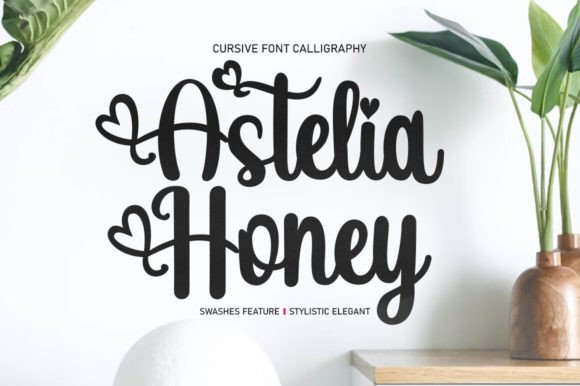
At its core, Astelia Honey is an elegant and beautiful script font. However, describing it simply as a script does not fully capture its utility. It features a charming character model that balances fluidity with structure. Unlike overly complex calligraphy fonts that can become illegible at smaller sizes, or rigid sans serif fonts that lack warmth, this typeface occupies a sweet spot. It possesses fresh letter shapes that feel modern yet timeless.
The defining feature of the Astelia Honey typeface is its bold character. The strokes have a confident weight to them, ensuring that the text holds its own against busy backgrounds. This is particularly evident in the capital letters. When you utilize the uppercase variants, you are met with a "love" aesthetic—sweeping, romantic, and stylistically effective. These capitals are designed to be decorative focal points, making them perfect for initial caps in editorial design or the first letter of a brand name in logo design.
For designers, this means you can create "doodles" or decorative lettering effects without needing to manually draw every swirl. The font does the heavy lifting, providing that hand-crafted look with the precision of digital typography. It creates an immediate sense of intimacy, suggesting that the content was created with care rather than mass-produced.
Practical Applications: Where Astelia Honey Shines
Understanding the visual style of a font is only half the battle; knowing where to deploy it is where strategy comes into play. Astelia Honey is versatile, but its strengths lie in specific contexts where elegance and personality are paramount.
Branding and Logo Design
For entrepreneurs and small business owners, your logo is your handshake. If your brand identity revolves around luxury, beauty, or personal service, a script font like Astelia Honey can be transformative. It works exceptionally well for businesses in the wedding industry, boutique fashion, floristry, or high-end consultancy. The font suggests a premium experience before the customer even reads the tagline. When used for a wordmark, the bold nature of the letters ensures the brand name is memorable and distinct.
Packaging and Product Design
In the crowded space of retail shelves or e-commerce listings, packaging design must catch the eye instantly. The fresh letter shapes of this font make it ideal for product labels, especially for artisanal goods, cosmetics, or gourmet foods. It communicates that the product inside is special. Because the characters have a distinct rhythm, they can break up the monotony of standard product information, drawing the eye to the product name or a specific flavor.
Digital Presence and Social Media
The digital landscape often feels cold and sterile due to the overuse of geometric sans serif fonts. Introducing Astelia Honey into your web design or social media graphics can soften the user experience. It is particularly effective for:
- Instagram Quotes: The font has enough presence to look good in a standalone quote graphic.
- Website Headers: Using it for H1 or H2 headings creates a strong visual hierarchy, contrasting beautifully against a clean body text.
- Email Marketing: A header in this script font can increase click-through rates by making the newsletter feel less like a corporate blast and more like a personal note.
Publishing and Editorial Design
For bloggers and publishers, typography sets the mood. Astelia Honey is an excellent choice for magazine covers, chapter titles, or pull quotes. In editorial design, you want to create a rhythm that guides the reader's eye. This font acts as the "loud" voice in the conversation, signaling to the reader where to look first, while a standard serif or sans serif font can handle the body copy.
Strategic Typography: Influence on Perception and Readability
Choosing a font is a psychological decision as much as an aesthetic one. The typeface you select influences how your audience perceives your brand's professionalism and reliability. Astelia Honey projects an image of care and attention to detail. When a user sees this font used correctly, they subconsciously associate the brand with high quality and personal touch.
However, this brings us to the critical aspect of readability. While Astelia Honey is designed with clarity in mind, it is still a script font. In the world of modern typography, legibility is non-negotiable. You should avoid using this font for long blocks of body text or small legal disclaimers. Its strength lies in display usage—headlines, logos, and short phrases.
When you pair Astelia Honey with a clean sans serif font (like Montserrat or Lato) or a classic serif (like Garamond), you create a perfect visual hierarchy. The script font grabs attention, and the secondary font delivers the information. This contrast ensures your design is both beautiful and functional, maintaining professionalism without sacrificing style.
Implementation Guide: Getting the Most Out of the Font
If you are ready to integrate this creative font into your workflow, there are a few practical considerations to keep in mind to ensure the best results.
Evaluating Project Fit
Before downloading, assess your project's needs. Ask yourself: Does my brand voice require warmth and personality? Is my target audience looking for a personal connection? If you are designing for a corporate law firm or a tech startup focused on hard data, Astelia Honey might be too decorative. But for lifestyle brands, events, and creative portfolios, it is an ideal match.
Testing Font Pairings
Don't let the font work in isolation. A common mistake is using a script font for everything. Instead, create a mockup where Astelia Honey is the headline, and test it against different weights of a sans serif font for the sub-headers and body text. Pay attention to the "x-height" (the height of the lowercase letters) to ensure the two fonts look balanced when sitting next to each other.
Licensing and Usage
Always ensure you are using the correct version of the font. Astelia Honey is often available as a premium font, which usually comes with a commercial license. This is crucial if you are using it for client work, merchandise, or products for sale. A commercial license protects you legally and ensures the type designer is compensated for their work. Check the included files for different styles—sometimes premium fonts include alternates or ligatures that can add even more flair to your typography.
Technical Details
When installing the font, look for OpenType features if your design software supports them. Features like "Stylistic Alternates" or "Swashes" can change the look of specific letters, allowing you to customize the text further. This is particularly useful for logo design, where you might want the tail of a "y" to extend further or the cross of a "t" to have a unique curve.
Conclusion
In a world of generic templates, Astelia Honey offers a way to stand out with grace. It is a tool that bridges the gap between digital precision and human touch. Whether you are a crafter making wedding invitations or a marketer building a luxury brand identity, this font provides the visual vocabulary to communicate elegance. By understanding its strengths and applying it strategically, you can transform a standard design into something truly memorable.