Brush Khalifa: A Script Font for Modern Brands
In the crowded landscape of digital assets, finding a typeface that balances personality with professionalism is a challenge. You need a font that speaks with authority but retains a human touch. Brush Khalifa enters this space as a modern, trendy brush script font designed to bridge that gap. It is not merely a collection of letters; it is a tool for visual storytelling. Whether you are a graphic designer refining a logo, a small business owner creating packaging, or a content creator curating a social feed, this font offers the versatility required to stand out.
Visual Characteristics and Personality
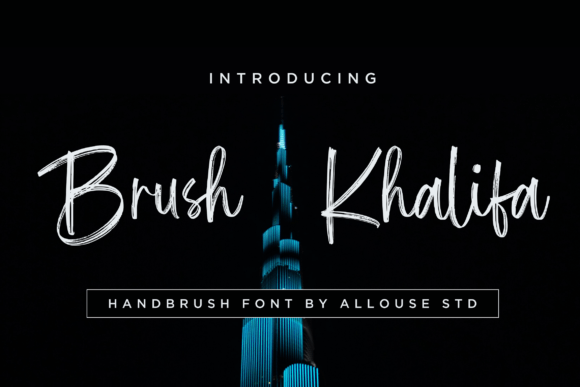
At its core, Brush Khalifa is defined by its fluidity. The strokes mimic the natural movement of a brush pen, featuring distinct contrast between thick and thin lines. Unlike traditional calligraphy scripts that can feel dated or overly formal, this typeface embraces a contemporary aesthetic. The letterforms are connected in a way that feels organic, yet the overall structure remains legible. This is a critical distinction. Many script fonts sacrifice readability for style, but Brush Khalifa maintains a clear baseline and consistent x-height, making it accessible even at smaller sizes.
The personality of the font leans toward confidence and creativity. It avoids the scratchy, distressed look of grunge fonts, opting instead for a clean, smooth finish. This makes it an ideal candidate for projects that require a premium font appearance. When you look at the curves of the "g" or the ascenders of the "h," you see intentional design choices that reflect modern typography trends. It possesses an energy that static serif fonts or rigid sans serif fonts simply cannot replicate.
Strategic Applications for Designers and Businesses
Understanding where to deploy Brush Khalifa is key to maximizing its impact. Because it is a display font, it shines brightest in headlines, titles, and logos. In logo design, the font can serve as the primary wordmark or as a secondary element to complement a geometric icon. For example, a lifestyle brand might use Brush Khalifa for the main brand name to convey approachability, pairing it with a simple sans serif for the tagline.
Packaging design is another area where this font excels. Consider the shelf appeal of artisanal goods, cosmetics, or boutique food products. The handwritten quality of Brush Khalifa suggests craftsmanship and care. It tells the customer that a human element is involved in the product. Similarly, in editorial design, the font can be used for pull quotes or section headers to break the monotony of body text. It adds a rhythmic pause to the reading experience, guiding the eye and emphasizing key points.
For the digital realm, the utility of Brush Khalifa extends to web design and social media graphics. On a website, it works well for hero sections or call-to-action buttons where you need to draw immediate attention. On platforms like Instagram or Pinterest, where visual noise is high, a bold script font cuts through the clutter. It adds a layer of personality to promotional posts, stories, and highlight covers. Entrepreneurs and marketers can use it to create a cohesive visual identity across all digital touchpoints without needing complex design skills.
Choosing and Pairing Your Typeface
Integrating a new font into your design assets library requires more than just installation; it requires strategy. When evaluating Brush Khalifa for a project, consider the mood of your audience. This font resonates well with demographics that value authenticity, creativity, and modern trends. It is particularly effective for industries such as fashion, beauty, food and beverage, and creative services.
The art of font pairing is essential when working with a strong character like Brush Khalifa. Because the script has a lot of movement and flair, it pairs best with neutral companions. A clean sans serif font like Montserrat or Lato provides a stable foundation, allowing the script to pop without overwhelming the viewer. Conversely, pairing it with a classic serif font like Garamond can create a sophisticated, high-contrast look suitable for luxury branding.
Before finalizing your design, always test the font in context. Check the readability at the specific size it will be used. While Brush Khalifa is legible, very small text in a handwritten font can strain the eyes. Use it for emphasis, not for long-form reading. Additionally, review the included styles. Many premium fonts come with alternates, ligatures, or swashes. These features allow you to customize the look of specific letters, ensuring that your design feels unique and avoiding the "cookie-cutter" look of default font settings.
Licensing and Commercial Use
For content creators, bloggers, and small business owners, the legal aspect of fonts is a practical concern. When acquiring Brush Khalifa, ensure you understand the licensing terms. Most commercial fonts distinguish between desktop use (for print and logos) and web use (for CSS embedding). If you are using the font for client work, verify that the license permits commercial distribution. Respecting licensing not only supports the type designers who create these tools but also protects your business from legal complications down the line.
Elevating Your Brand Identity
Ultimately, typography is about communication. It is the visual voice of your brand. Brush Khalifa offers a voice that is modern, energetic, and versatile. It moves beyond the limitations of standard system fonts, providing a level of polish that can elevate a project from amateur to professional.
Whether you are designing a wedding invitation, a website header, or a merchandise line, the font you choose sends a message. By incorporating a creative font like Brush Khalifa, you are investing in the emotional connection between your brand and your audience. It is a practical asset for anyone serious about visual communication, proving that the right typeface does not just display words—it gives them life.