Right Signature: Balancing Elegance with Practicality in Design
In the search for the perfect typeface, there is often a compromise between high-end aesthetics and functional utility. We see many script fonts that look breathtakingly beautiful on a mood board but become illegible messes on a mobile screen. Conversely, practical typefaces often lack the soul needed to make a brand feel personal. This is the gap that Right Signature aims to bridge. It is a premium font crafted to deliver the sophistication of a handwritten letter without sacrificing the clarity required by modern web design and print media.
The Anatomy of a Balanced Typeface
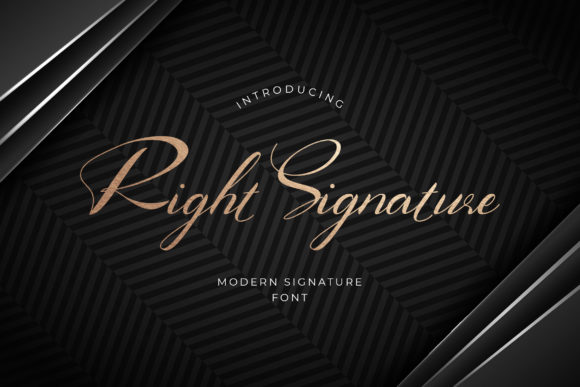
When we look at Right Signature, the first thing we notice is its delicate, almost conversational rhythm. It is not a font that screams for attention; rather, it draws the viewer in with its quiet confidence. Visually, it sits in a "Goldilocks" zone. Many handwritten fonts suffer from being too thin—disappearing entirely on textured backgrounds—or too thick, which can feel heavy and juvenile. Right Signature, however, utilizes a balanced stroke width. It maintains a consistent baseline that ensures legibility while offering enough variation in its letterforms to feel genuinely organic.
This typeface features elegant connections between letters that mimic the flow of natural handwriting. It avoids the overly swirly, decorative loops that can date a font or make it look overly "crafty." Instead, it offers a modern take on the classic script font. It is stylish enough to serve as a display font for a headline, yet legible enough to be used for short-form copy. For designers who value whitespace and breathing room, the airy structure of Right Signature provides a sense of luxury that feels intentional and curated.
Strategic Applications: From Brand Identity to Packaging
Understanding the visual personality of a font is only half the battle; knowing where to deploy it is where the strategy comes in. Right Signature is a versatile creative font, but its strengths lie in specific applications where human connection is paramount.
Refining Brand Identity and Logo Design
For small business owners and entrepreneurs, a logo is often the first handshake with a potential customer. If you are building a brand in the lifestyle, fashion, wellness, or luxury sector, Right Signature offers an immediate shorthand for elegance. In logo design, it works exceptionally well for wordmarks where the typography itself is the icon. It suggests that a human is behind the brand, fostering trust and approachability. However, because it is a script font, it requires careful kerning (spacing between letters) to ensure it doesn't look cramped. When used as a standalone logo, its varied strokes create a silhouette that is memorable and distinct.
Packaging and Editorial Design
In packaging design, the texture of the font matters. Right Signature has a delicate look that pairs beautifully with high-quality paper stocks and minimalist layouts. Imagine it on a candle box, a wedding invitation, or a boutique coffee bag; it adds a layer of tactile quality even through a screen. Similarly, in editorial design, such as magazine headers or blog post titles, it breaks up the monotony of standard serif fonts or sans serif fonts. It provides a visual pause, signaling to the reader that this section is different, perhaps more personal or reflective.
Digital Environments and Social Media
While script fonts have historically struggled on the web due to screen resolution issues, modern high-definition displays have changed the game. Right Signature is designed with modern web design in mind. It renders cleanly on retina screens, making it an excellent choice for hero sections, call-to-action buttons, or pull quotes. On social media graphics, where the scroll is fast and the competition for attention is fierce, this font adds a professional polish. It can transform a standard Instagram quote template into something that looks like it was designed by a high-end agency.
The Psychology of Readability and Hierarchy
Typography is not just about decoration; it is about communication. The fonts we choose influence how the message is received. Right Signature influences brand perception by signaling sophistication without pretension. Because the strokes are not too thin, it maintains a level of readability that ultra-light scripts often lack. This is crucial for audience engagement. If a user has to squint to read your headline, they will bounce. This font invites them to stay.
It also plays a vital role in visual hierarchy. In a layout dominated by a sturdy sans serif font, introducing Right Signature for subheadings or accents creates an immediate contrast. This contrast guides the eye, distinguishing between the "voice" of the brand and the "voice" of the author or customer. It helps organize information, making complex layouts easier to digest. By using this commercial font strategically, you create a rhythm in your design that feels natural and effortless.
Practical Implementation: Pairing and Testing
Adopting a new typeface into your workflow requires more than just installation; it requires testing. Here are some practical steps to integrate Right Signature effectively.
Mastering the Font Pairing
The success of Right Signature often depends on its companion. As a general rule of thumb in modern typography, contrast is king. Because Right Signature is organic and fluid, it pairs best with a clean, geometric sans serif font or a structured serif font. Avoid pairing it with other decorative fonts, as this will create visual chaos. For example, using Right Signature for a headline and a font like Montserrat, Roboto, or Lato for the body text creates a balanced ecosystem. The script adds personality, while the sans-serif ensures the body copy is readable at small sizes.
Testing for Context
Before finalizing a design, test the font in the environment where it will live. A font that looks great on a vector artboard might look different on a textured background. Test Right Signature over images, on dark backgrounds, and at small sizes. Check the legibility of specific letter combinations (like "tt", "ll", or "oo") to ensure the ligatures look natural. Since this font is designed to be balanced, you will likely find it holds up well, but due diligence is part of professional design assets management.
Licensing and Usage
Finally, as a professional, you must ensure you are using Right Signature correctly within its license. Most premium fonts distinguish between desktop use (logos, print) and web use (CSS embedding). Ensure your license covers the specific mediums you intend to use. If you are using it for commercial font projects—client logos, merchandise, or digital products—verify that the license permits resale or distribution if required. Respecting the licensing protects you legally and supports the type designers who create these tools.
Conclusion
Right Signature is more than just a collection of vector paths; it is a design tool that bridges the gap between the human touch and professional polish. Whether you are a crafter designing a wedding invitation, a marketer building a landing page, or a brand strategist refining a visual identity, this font offers the flexibility and elegance needed to elevate your work. It proves that you don't have to choose between beautiful handwriting and functional design—you can have both.