Simple Birthday: Crafting Elegant Design with a Personal Touch
There’s a particular challenge in design work that balances professionalism with genuine warmth. You want something that feels crafted and intentional, yet approachable and human. Too often, typefaces lean heavily in one direction—either feeling sterile and corporate or so casual they lack credibility. Finding a premium font that navigates this middle ground with grace can transform a project from generic to memorable. This is precisely the space where the Simple Birthday typeface excels.
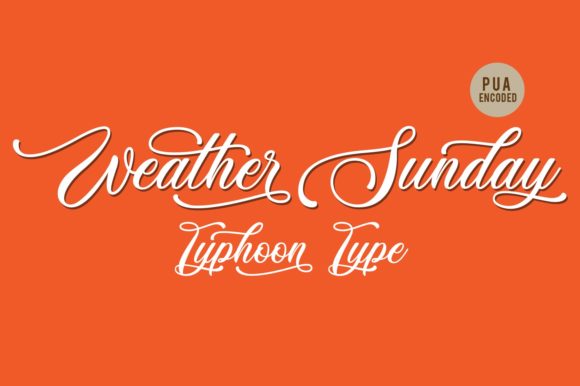
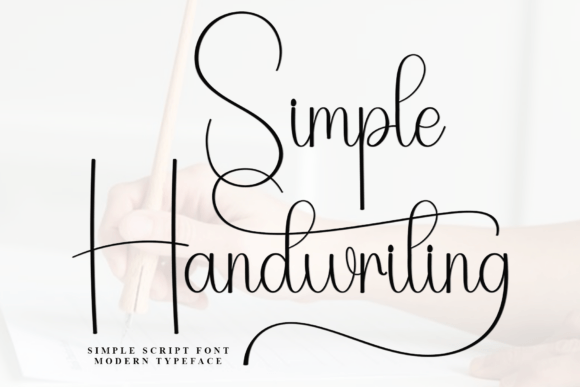
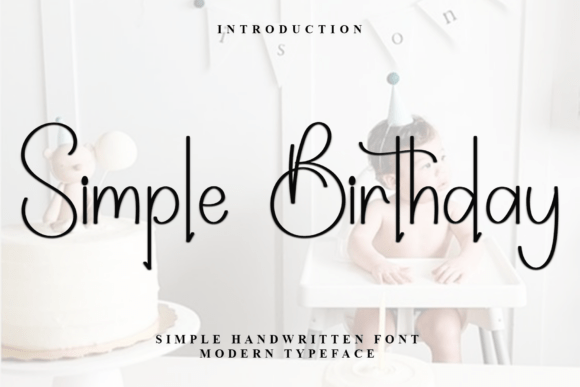
At its core, Simple Birthday is a stylish handwritten script font. But that simple description undersells its sophistication. This isn’t the hurried scrawl of a quick note; it’s a deliberate, fluid calligraphy. The strokes have a natural, graceful rhythm, with smooth curves that connect letters in a flowing, organic sequence. It possesses a timeless quality, avoiding the trendy quirks that can date a design quickly. Instead, it offers a refined elegance that feels both personal and polished. The overall personality is one of understated charm—it suggests a human hand behind the message, without sacrificing clarity or class.
Where This Script Font Truly Shines
Understanding a font’s visual personality is the first step. Knowing where to apply it is where strategy comes in. Simple Birthday isn’t a universal workhorse like a sans serif font or a sturdy serif font; it’s a specialist. Its strength lies in contexts where you need to create an emotional connection and convey a sense of bespoke quality.
In branding and logo design, it’s a powerful tool for businesses that want to project a personal, artisanal, or luxurious identity. Think of a boutique wedding planner, a high-end bakery, a bespoke jewelry maker, or a wellness coach. The font’s elegant flow becomes part of the brand identity, signaling that care and attention to detail are core values. It works beautifully for logotypes and monograms, especially when paired thoughtfully with a clean sans serif font for body text.
For invitations and stationery, it’s a natural fit. Wedding suites, event announcements, and premium greeting cards benefit immensely from its sophisticated, hand-lettered feel. It adds that tangible, personal touch that digital communication often lacks. Similarly, in packaging design, using Simple Birthday on product labels, gift tags, or box sleeves can elevate the perceived value, suggesting a small-batch, carefully crafted product.
The digital realm offers ample opportunity as well. For social media graphics, it can make quotes, announcements, and story headers stand out in a crowded feed. Its readability at medium sizes makes it suitable for short, impactful headlines on websites or in email marketing campaigns. In editorial design, it can be used for pull quotes, chapter headings, or magazine mastheads to inject a dose of personality into a layout.
Integrating Simple Birthday into Your Design Workflow
Choosing a creative font like this requires more than just an appreciation for its beauty; it demands practical consideration. How will it function within your specific project’s ecosystem?
First, always test for readability. While Simple Birthday is designed for clarity, script fonts are inherently more complex than block letters. Avoid using it for long paragraphs of body copy. Its role is for display purposes: headlines, short phrases, and call-outs. View it at the actual size it will be used, both on screen and in print if possible. Does it remain legible at a distance? Does it hold up on a mobile screen?
Next, consider font pairing. This is where the magic happens. The elegance of Simple Birthday is best balanced with a complementary typeface that provides structure and neutrality. A classic pairing is with a geometric or humanist sans serif font. The clean lines of the sans serif create a perfect counterpoint, allowing the script to be the star without causing visual chaos. For a more traditional or editorial feel, pairing it with a elegant serif font can work, but ensure there’s enough contrast in weight and structure to avoid a crowded look.
Don’t overlook the technical details. Check what’s included with the commercial font license. Does it come with alternate characters, ligatures, or stylistic sets? These extras can be invaluable for customizing letter combinations to avoid awkward joins or to add unique flair to specific words. Also, verify the licensing covers your intended use—whether for a client’s logo design, products for sale, or digital assets.
Practical Applications and Final Thoughts
Let’s ground this in some realistic scenarios. Imagine you’re a small business owner creating a brand for a new line of artisanal candles. Using Simple Birthday for the product name on the label immediately communicates a hand-poured, premium quality. You’d pair it with a simple sans serif for the scent description and ingredients. The brand identity becomes cohesive and evocative.
Or, consider a publisher designing the cover for a romance novel. The title set in Simple Birthday could convey the story’s emotional depth and elegance, while the author’s name and back-cover blurb use a highly legible serif or sans serif. This creates a clear visual hierarchy that guides the reader’s eye.
For content creators and bloggers, it can be the secret weapon for creating standout Pinterest graphics or YouTube thumbnails. A key phrase or title set in this script font can grab attention and convey the content’s mood instantly—whether it’s a heartfelt recipe or a stylish DIY tutorial.
Ultimately, Simple Birthday is a design asset that serves a specific and valuable purpose. It’s not about replacing your primary text fonts. It’s about adding a layer of sophistication, warmth, and personality where it matters most. It influences perception by making designs feel more human-centric, which can boost audience engagement and recognition. When used thoughtfully and sparingly, it becomes a powerful element in your typographic toolkit, helping you craft messages that feel both beautiful and genuinely personal. It’s a reminder that in a world of digital precision, the human touch remains a potent design language.