Rynda: A Modern Script for Designs That Feel Alive
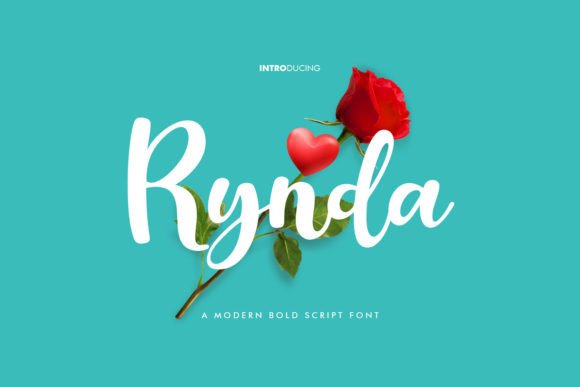
Finding a script font that feels genuinely fresh can be a challenge. Many default to a classic, formal cursive or a purely whimsical, casual handwritten font. Rynda occupies a different, compelling space. It’s a modern script font that blends approachable warmth with a clean, contemporary edge. Think of it as the typographic equivalent of a friendly smile with a confident posture. Its flowing letterforms are designed to connect seamlessly, creating a natural, rhythmic cadence in your text. This isn't a font that tries to mimic old-world calligraphy; it speaks the language of current design trends, making it an invaluable creative font for projects that need to feel both personal and polished.
Where Rynda Truly Shines: Practical Applications
The true test of any typeface is how it performs in the real world. Rynda’s versatility is its greatest strength, making it a reliable design asset across a surprising range of mediums. Its personality adapts beautifully, ensuring your message is always the star.
Branding and Logo Design
For logo design, Rynda offers an immediate sense of authenticity and approachability. It’s perfect for brands that want to convey creativity, care, and a human touch without sacrificing professionalism. Imagine it for a boutique bakery, a custom stationery shop, a freelance photographer, or a wellness coach. The font’s fluidity creates logos that are memorable and easy to recognize, forming a strong foundation for a cohesive brand identity. It pairs exceptionally well with a clean sans serif font for body text, establishing a clear and elegant visual hierarchy.
Editorial and Publishing
In editorial design, such as for magazines and book covers, Rynda can be a game-changer. Use it for captivating headlines, chapter titles, or pull quotes to inject personality and draw the reader’s eye. Its legibility at larger sizes makes it a strong choice for display font applications. For a cookbook, it could lend a homemade, trustworthy feel to recipe titles. On a novel’s cover, it might hint at the story’s emotional core or contemporary setting. It adds a layer of sophistication that feels intentional and curated.
Marketing and Digital Content
Marketers and content creators will find Rynda incredibly useful for social media graphics and web design accents. It can make a promotional banner stand out, add flair to a Pinterest pin, or create a stylish header for a blog post. In the digital realm, it’s best used for short, impactful phrases rather than long paragraphs to maintain optimal readability. Its modern style ensures your graphics feel current and engaging, helping to increase audience interaction and shareability.
Packaging and Physical Products
For packaging design, Rynda brings a tactile, crafted quality. It’s ideal for product labels, hang tags, and wrapping paper. Think of artisanal goods, handmade cosmetics, or specialty foods. The font communicates care and quality at a glance, influencing brand perception before the customer even tries the product. Its style suggests that something special is inside, enhancing the unboxing experience and fostering brand recognition.
Integrating Rynda: A Designer's Practical Guide
Adopting a new premium font into your toolkit is a strategic decision. Here’s how to approach Rynda to ensure it works hard for your projects.
Evaluate the Project Fit. First, consider the project's core message. Rynda excels when you need to balance professionalism with personality. It’s less suited for highly formal, corporate contexts where a traditional serif font might be more appropriate, but it’s perfect for lifestyle, creative, and consumer-facing brands. Ask yourself: does my audience respond to a human, handcrafted feel? If yes, Rynda is likely a strong candidate.
Master Font Pairing. The key to using any script font effectively is pairing. Rynda’s modern structure allows it to work with a wide variety of fonts. For a balanced, readable layout, pair it with a straightforward sans serif font like Open Sans, Lato, or Montserrat for body copy. For a more dynamic, high-contrast look, try it with a geometric sans serif. The goal is to let Rynda be the star for headlines and short text, while a simpler font handles the heavy lifting of longer content, ensuring overall readability.
Test for Readability and Hierarchy. Always test Rynda in context. View it at the intended size, on the intended medium—whether a computer screen, a printed brochure, or a product label. Use it to establish visual hierarchy, guiding the viewer’s eye from the most important element (like a headline in Rynda) to supporting information. Its connected letters flow beautifully, but at very small sizes or in dense blocks of text, a simpler font will always be more legible.
Understand the Licensing. If you’re using Rynda for commercial projects—which includes client work, merchandise, and monetized blogs—ensure you have the correct commercial font license. Reputable font marketplaces provide clear licensing terms. This isn’t just a legal formality; it’s an investment in professional-grade design assets that protect both you and your clients, ensuring your work remains consistent and legally sound.
Ultimately, Rynda is more than just a pretty script font. It’s a versatile tool for building connection. By understanding its character and applying it thoughtfully, you can create designs that don’t just look good, but feel genuinely engaging, helping your projects—and your clients’ brands—stand out in a crowded landscape.