Smithson: The Modern Handwritten Font for Personal Branding
Capturing Effortless Elegance in Every Stroke
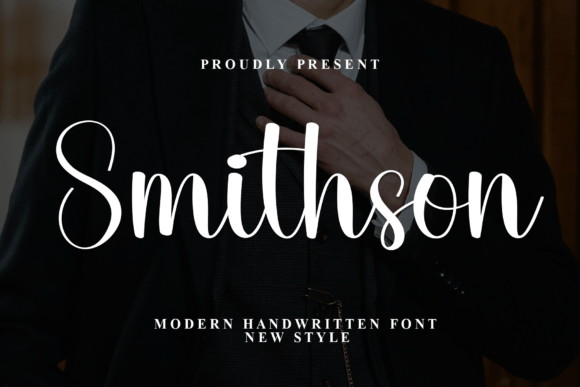
When you're building a brand that needs to feel approachable and authentic, typography becomes your silent ambassador. Smithson enters this space as a modern handwritten font that doesn't try too hard. Its fluid, cohesive strokes create a natural rhythm that mimics actual handwriting without sacrificing legibility. Unlike overly stylized script fonts that can feel forced or outdated, Smithson strikes a balance between casual warmth and contemporary polish. The letterforms connect smoothly, creating that cohesive flow designers look for when they want text to feel personal rather than mechanical. This isn't a font that screams for attention—it invites readers in with quiet confidence, making it particularly effective for projects where trust and relatability matter most.
Where Smithson Truly Shines
Understanding where this typeface works best saves you time and ensures your design decisions actually serve your project goals. Smithson excels in contexts where human connection drives engagement.
Personal Branding and Boutique Businesses
For entrepreneurs and small business owners, Smithson offers a way to differentiate without overcomplicating your visual identity. Think of a local bakery's logo, a handmade jewelry brand's packaging, or a wellness coach's website headers. The font communicates that a real person stands behind the business, not a faceless corporation. It works beautifully for logo design when paired with a clean sans serif font for body copy, creating a font pairing that feels both professional and approachable.
Editorial and Publishing Projects
Bloggers and content creators often struggle with making digital content feel personal. Smithson solves this by adding warmth to pull quotes, chapter headings, or newsletter headers without overwhelming the reading experience. In editorial design, it pairs well with traditional serif fonts for long-form content, giving publications that sought-after mix of authority and accessibility. Recipe blogs, travel journals, and lifestyle magazines particularly benefit from this combination.
Digital Marketing and Social Media
Social media graphics demand fonts that grab attention quickly while remaining readable at smaller sizes. Smithson handles Instagram quotes, Pinterest pins, and Facebook event invitations with ease. Its modern aesthetic avoids the dated look that plagues many script fonts, keeping your visual content feeling current. For web design, consider using it sparingly—hero section taglines, call-to-action buttons, or testimonial highlights work well. Overuse on websites can actually hurt readability, so strategic placement matters.
Packaging and Print Materials
Physical products benefit enormously from typography that conveys craftsmanship. Smithson works wonderfully on product labels, thank-you cards, business cards, and event invitations. Wedding planners, stationery designers, and craft vendors find it particularly useful because it bridges the gap between handmade charm and professional execution. When selecting design assets for packaging, this font adds that premium feel without premium pricing complexity.
Practical Considerations for Working With Smithson
Before committing to any creative font, evaluate it against your specific needs. Here's what to consider with Smithson:
Evaluating Project Fit
Ask yourself whether your project genuinely benefits from a handwritten aesthetic. Corporate financial reports? Probably not. A children's book author's website? Absolutely. The font's friendly personality should align with your brand identity goals. If your audience expects formality, even the most beautiful script font will create disconnect. Smithson serves brands targeting audiences who value authenticity over corporate polish—think wellness, creativity, food, lifestyle, and artisanal products.
Testing Font Pairings
No font exists in isolation. Smithson performs best when paired with typefaces that provide contrast and structure. A geometric sans serif font like Montserrat or Poppins creates clean hierarchy for body text. A transitional serif font like Merriweather or Lora adds sophistication for editorial projects. Avoid pairing it with other script or decorative fonts—that combination typically creates visual chaos rather than harmony. Test your pairings at multiple sizes and on different screens before finalizing.
Readability and Hierarchy
Handwritten fonts demand extra attention to readability. Use Smithson at larger sizes where its character details remain clear. For body text or small captions, stick with simpler typefaces. This approach actually strengthens your visual hierarchy because the contrast between ornamental and functional text guides readers naturally through your content. Adjust letter spacing slightly if text feels cramped at certain sizes—many designers overlook this simple refinement.
Licensing and Commercial Use
Always verify licensing terms before using any commercial font in client work or products for sale. Review whether the license covers your intended applications—desktop use, web embedding, and merchandise all typically require different permissions. Reputable premium font foundries clearly outline these terms, protecting both creators and users. Keep your license documentation organized, especially if you're a designer managing multiple client projects simultaneously.
Making Smithson Work for Your Creative Vision
The best typography decisions come from understanding both the tool and the context. Smithson delivers genuine value when used thoughtfully—its strength lies in adding human warmth to projects that might otherwise feel sterile or generic. Experiment with different weights and styles if available, test across your actual deliverables rather than relying solely on preview images, and remember that restraint often produces stronger results than enthusiasm. Whether you're crafting a brand identity for a new venture or refreshing existing marketing materials, this modern typography option deserves consideration whenever authenticity and approachability rank among your design priorities.