Introducing Adam: A Calligraphy Font for Modern Branding
In a market saturated with rigid sans serifs and predictable serifs, finding a typeface with genuine personality is a challenge. We often look for fonts that bridge the gap between traditional elegance and contemporary utility. That is exactly where Adam enters the conversation. This isn't just another script font to gather dust in your library; it is a carefully crafted modern calligraphy typeface designed to solve real design problems. Adam combines the warmth of a handwritten font with the structural integrity required for professional branding, making it an essential asset for anyone serious about their visual identity.
The Anatomy of Adam: Blending Classic and Modern
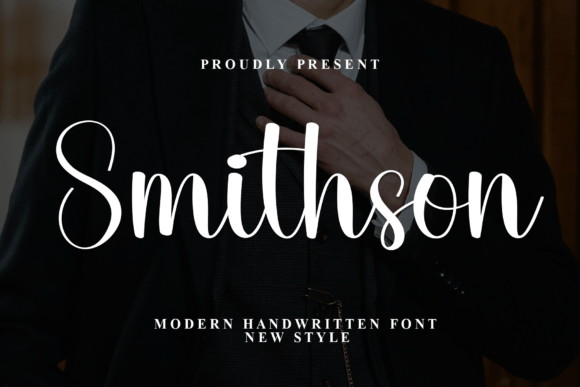
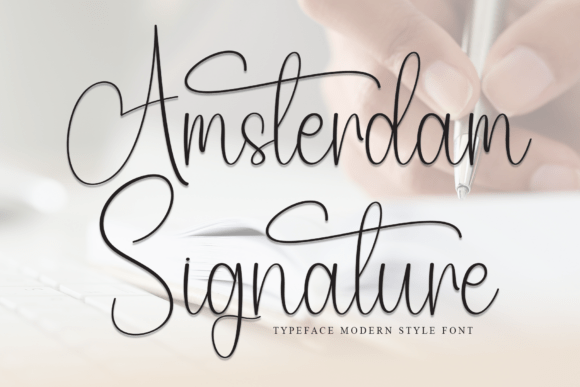
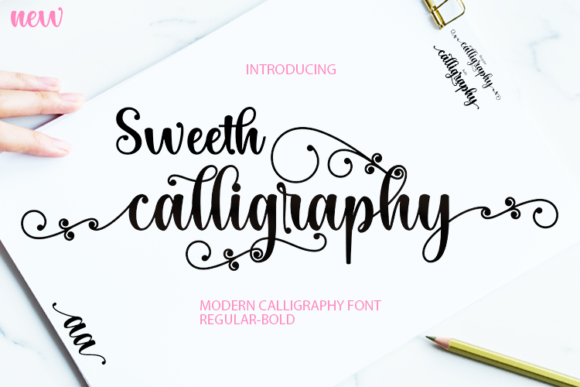
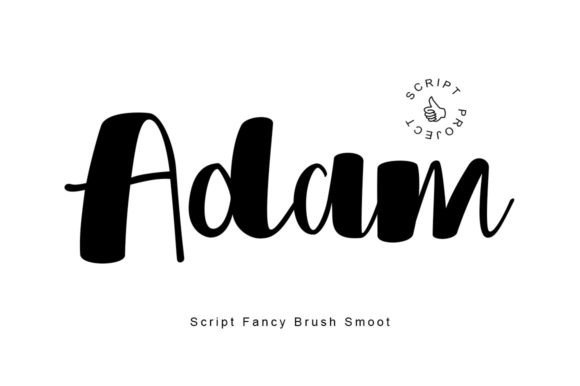
When you first examine Adam, you notice the fluidity. It is a premium font that mimics the natural flow of a brush or nib pen, yet it avoids the illegibility often associated with decorative scripts. The visual characteristics of Adam are defined by its soft, rounded terminals and consistent baseline rhythm. It possesses a classic style foundation—think traditional calligraphy forms—but the execution is distinctly modern. The letter connections are designed to look natural, avoiding the stiff, mechanical appearance that plagues lower-quality script fonts.
The personality of Adam is approachable and authentic. It strikes a delicate balance: it feels personal and human, yet polished enough for commercial use. This duality makes it a powerful tool in modern typography. Whether you are designing a logo for a boutique bakery or laying out a wedding invitation, Adam brings a touch of sophistication without feeling stuffy. It serves as a creative font that captures attention through its artistic flair rather than shouting for it.
Unlocking Design Potential: What’s Included?
One of the most significant advantages of adding Adam to your font library is the depth of its technical features. A common frustration with script fonts is the repetition of letters, which breaks the illusion of natural handwriting. Adam solves this with robust OpenType features.
When you purchase the Adam collection, you receive both OTF and TTF files. However, the true power lies in the OpenType features, specifically the Stylistic Alternatives and Contextual Alternatives. These features allow you to mix and match letter pairs to suit your design needs perfectly.
- Contextual Alternates: These automatically swap characters based on their neighbors, ensuring that connecting strokes look organic and avoiding awkward collisions between letters.
- Stylistic Alternatives: These give you manual control to change the look of specific letters. If you want a more dramatic swash on a capital letter or a different loop on a lowercase 'g', you have the freedom to customize.
To access these alternative glyphs, you need a program that supports OpenType features, such as Adobe Illustrator CS, Adobe InDesign, Corel Draw, or Microsoft Word 2010 and newer. This level of customization ensures that your design assets remain unique, allowing you to create distinct brand identity systems that stand out from competitors using standard typefaces.
Practical Applications: Where Adam Shines
Understanding where a font works best is half the battle in design strategy. Adam excels in environments where readability meets flair. Because it is a display font, it is best used for headlines, subheadings, and logos rather than long blocks of body text.
Branding and Logo Design: For entrepreneurs and small business owners, a logo is the face of the brand. Adam works exceptionally well for businesses in the lifestyle, wellness, beauty, and food industries. Its handwritten font style conveys trust and a personal touch. When paired with a clean sans serif font for body copy, Adam creates a visual hierarchy that guides the viewer’s eye effectively.
Packaging Design: In the crowded retail space, packaging needs to evoke emotion instantly. Adam’s modern calligraphy style is ideal for product labels, gift tags, and box art. It adds a premium feel to the product, suggesting craftsmanship and care.
Editorial and Web Design: While you wouldn't use Adam for an entire blog post, it is a powerhouse for pull quotes, chapter titles, or website headers. In digital environments, it adds a human element to the screen, softening the hard edges of UI design. It helps in establishing a consistent tone across social media graphics, making Instagram posts and Pinterest pins feel cohesive and professionally curated.
Strategic Typography: Influence on Brand Perception
Typography is not just about aesthetics; it is about psychology. The fonts you choose directly influence how your audience perceives your brand. By choosing Adam, you are signaling a specific set of values: creativity, elegance, and authenticity.
Using a font like Adam can significantly improve audience engagement. Viewers are naturally drawn to handwritten elements because they feel more "human" than digital text. This engagement can lead to better retention of your message. However, this requires a strategic approach to readability.
When testing font pairings, contrast is key. Because Adam is a script font with high visual interest, it pairs best with neutral fonts. A geometric sans serif or a simple serif font acts as a grounding agent. If you pair Adam with another decorative font, the design will likely feel chaotic and unprofessional. Always evaluate the project fit: Adam is perfect for a yoga studio’s marketing materials but might be too casual for a corporate law firm’s annual report.
Evaluating Fit and Commercial Licensing
Before finalizing your design, it is crucial to test the font in context. Don't just look at the preview on the sales page. Type out the specific words you intend to use. Check how the letterforms interact. Does your brand name contain difficult letter pairs? Use the Stylistic Alternatives in Adobe Illustrator to refine these connections.
Furthermore, consider the practicalities of commercial licensing. If you are a designer creating a logo for a client, or a small business owner printing merchandise, you must ensure your license covers your intended use. Adam is a commercial font, meaning it is built for professional environments. This ensures you have the legal right to use the work in commercial projects, protecting both you and your client.
Ultimately, Adam is more than just a typeface; it is a versatile design tool. It bridges the gap between the organic feel of handwritten text and the precision required for modern branding. By integrating Adam into your workflow, you gain the ability to create designs that are not only beautiful but also strategically effective, ensuring your visual communication resonates with your target audience.