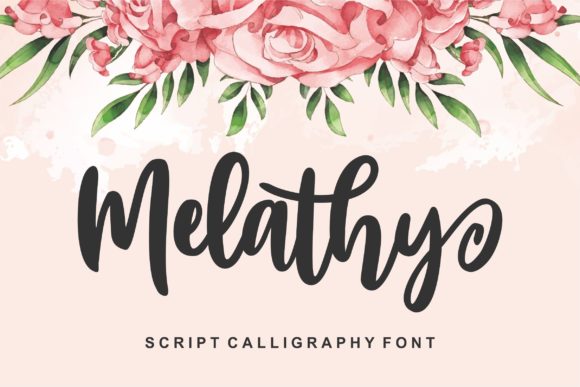
Why Melathy Script Font Brings Designs to Life
There’s a certain warmth that only a truly well-crafted handwritten font can bring to a design. It’s the difference between a digital message and a personal note, between a generic template and a bespoke creation. This is the space where Melathy lives. It’s not just a script font; it’s a tool for adding that human, hand-lettered touch that so many projects crave. If you’ve ever felt your designs needed more personality, more elegance, or more emotional connection, understanding how to use a premium font like Melathy can be a game-changer for your creative work.
The Anatomy of Elegance: What Makes Melathy Special
At its core, Melathy is a modern calligraphy typeface. Its strokes mimic the fluid motion of a pointed pen or a skilled brush, creating letters that feel both organic and intentionally designed. You’ll notice the graceful, flowing connections between characters and the subtle variations in weight that give it a genuine, handcrafted appearance. This isn’t a rigid or overly perfect script; it has the charming irregularities that make handwritten styles so appealing. The overall personality is one of sophisticated romance, making it a natural fit for projects that aim to feel personal, luxurious, or celebratory.
One of the most practical features for any designer or creator is that Melathy is PUA encoded. This technical detail simply means every glyph, swash, and alternate character is easily accessible through your software’s character map. You don’t need to be a font expert to use the full range of stylistic options. This accessibility allows for tremendous creative freedom, enabling you to customize letterforms for logos, headlines, or monograms with just a few clicks.
Where Melathy Truly Shines: From Wedding Invites to Brand Identities
The true test of any creative font is its versatility. Melathy excels in a wide array of applications, primarily because it solves a common design need: the need for warmth and personality. Let’s look at some specific contexts where this typeface proves its worth.
In the world of editorial design and publishing, Melathy can transform a standard layout. Imagine it used for pull quotes in a lifestyle magazine, chapter titles in a romance novel, or the header of a food blog. It draws the reader’s eye and sets a specific, engaging tone that standard serif or sans serif fonts might not achieve on their own. For packaging design, especially for artisanal goods, cosmetics, or gourmet products, this font can communicate quality and care, suggesting the product inside is made with a similar human touch.
For entrepreneurs and small business owners building a brand identity, choosing the right typeface is crucial. Melathy can serve as the primary font for a brand that values authenticity, craftsmanship, and connection. Think of a boutique florist, a custom stationer, a wedding photographer, or a specialty coffee roaster. The font can be used consistently across the logo, business cards, website headers, and social media graphics to create a cohesive and recognizable look. It tells customers that the brand pays attention to detail and values a personal approach.
Of course, its strength in personal projects is undeniable. Wedding invitations, thank you cards, holiday greetings, and personal stationery are where fonts like Melathy feel most at home. It elevates these items from simple communication to keepsakes. The same applies to social media graphics and digital content. Using it for Instagram story headers, quote graphics, or YouTube thumbnails can significantly boost visual appeal and stop the scroll, helping your content stand out in a crowded feed.
Practical Guidance: Making Melathy Work for You
Adopting a new display font into your toolkit requires a bit of strategy. Here’s some practical advice for evaluating and using Melathy effectively.
First, consider the project’s tone. Melathy communicates elegance, romance, and personal connection. It’s a poor fit for a corporate financial report or a technical manual, but it’s perfect for anything that benefits from a human, emotional resonance. Always test the font in context. Set a sample headline and see how it feels alongside your imagery and other design elements.
Next, think about font pairing. A beautiful script like Melathy rarely works well alone for body text. Its strength is in headlines, logos, and short impactful phrases. For readability in paragraphs, you need a complementary companion. It pairs beautifully with clean, simple sans serif fonts like Montserrat, Lato, or Open Sans. The contrast between the flowing script and the structured sans serif creates a clear visual hierarchy that guides the reader’s eye. For a more classic, editorial look, you could pair it with a elegant serif font like Lora or Playfair Display.
Don’t overlook the details within the font file itself. Because Melathy is a premium font, it often includes multiple styles—perhaps a regular, a bold, or stylistic alternates. Experiment with these options. The swashes and alternate letters are there to be used; they can add unique flair to a logo or a special word in a headline. Just ensure that any alternates you choose remain legible.
Finally, understand the licensing. If you plan to use Melathy for commercial projects—which includes anything for a business, a client, or for sale—you need to ensure you have the appropriate commercial license. This is a standard part of working with design assets and protects both you and the font creator. Most reputable font marketplaces make this clear at the point of purchase.
Ultimately, Melathy is more than just a handwritten font; it’s a versatile piece of modern typography that can add significant value to your creative projects. Its ability to blend artistic flair with practical accessibility makes it a worthy addition to any designer’s font library. The key is to use it intentionally, pair it wisely, and let its inherent elegance enhance your message. When you do, you’ll find it doesn’t just display your words—it helps them resonate.