Daybream: Infusing Everyday Projects with Script Sophistication
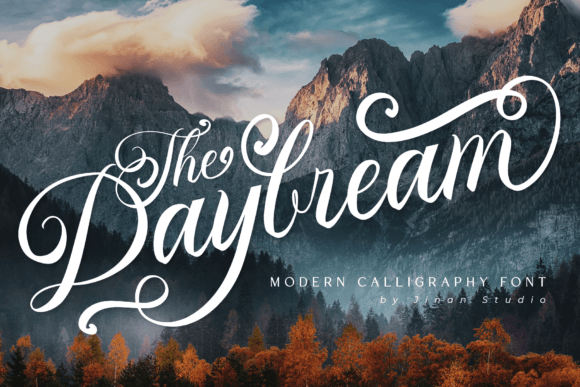
In the crowded landscape of modern typography, finding a typeface that balances personality with professionalism can feel like searching for a needle in a haystack. Enter Daybream, a chic, modern calligraphy font that effortlessly bridges the gap between traditional elegance and contemporary flair. It isn't just another script font; it is a visual declaration of style. Designed with detailed swirls and graceful, fluid curves, Daybream captures the essence of luxury without feeling stuffy or archaic. It is the kind of typeface that catches the eye and holds attention, offering a distinct voice for designers, entrepreneurs, and creators who want their work to exude a sense of refined allure.
What sets Daybream apart from standard handwritten fonts is its deliberate construction. While many script typefaces rely on repetitive loops and predictable connections, Daybream introduces a modern edge to the calligraphic tradition. The letterforms are crafted to flow into one another naturally, creating a rhythm that guides the reader’s eye across the page. This fluidity makes it an exceptional choice for display typography, where the goal is to make an immediate impact. However, it retains enough structure to remain legible, ensuring that style does not come at the expense of substance. It is a timeless asset that adapts to the evolving trends of the design world, remaining eternally stylish regardless of the season.
The Anatomy of Elegance: Understanding the Daybream Style
When we talk about the "personality" of a font, we are really discussing how it makes the viewer feel. Daybream evokes a sense of warmth, intimacy, and high-end quality. Its visual characteristics are defined by varying stroke weights that mimic the pressure of a real pen or brush, adding a human touch to digital design. The detailed swirls are not merely decorative; they are functional elements that add weight and presence to headlines and logos. For brand strategists, this is crucial. A brand identity built on Daybream communicates that the business values aesthetics and attention to detail. It suggests a premium product or service before a single word of copy is read.
The versatility of this premium font extends beyond its visual appeal. It functions beautifully as a standalone hero font for minimalist designs, where the text becomes the focal point of the composition. Imagine a wedding invitation where the couple's names are rendered in Daybream, flanked by simple sans serif details. The contrast creates a visual hierarchy that is both striking and easy to navigate. This ability to command attention makes it a powerful tool in the arsenal of any creative professional. It is a typeface that doesn't just sit on the canvas; it performs.
Practical Applications: Where Daybream Shines Brightest
Understanding where to deploy a script font like Daybream is just as important as choosing it. Its application spans a wide array of creative projects, ranging from digital landscapes to tangible goods. For those in the publishing and editorial design space, Daybream works exceptionally well for pull quotes, chapter titles, or magazine headers. It breaks the monotony of body text, offering a visual rest stop that feels luxurious and engaging.
In the realm of branding and marketing, the font proves its worth as a versatile design asset. Consider the following scenarios where Daybream elevates the final product:
- Logo Design: For boutique businesses, bakeries, florists, or lifestyle coaches, a script logo utilizing Daybream creates an immediate emotional connection. It suggests a personal touch and a dedication to craft.
- Packaging Design: Product labels on artisanal goods, cosmetics, or gourmet foods benefit immensely from this typeface. It signals quality and sophistication, helping products stand out on crowded shelves.
- Social Media Graphics: In the fast-scrolling world of Instagram and Pinterest, visual hierarchy is king. Using Daybream for quotes, announcements, or sale graphics helps stop the scroll. It adds a layer of polish that generic system fonts simply cannot replicate.
- Web Design: While script fonts should be used sparingly on the web to ensure load times and readability, Daybream is perfect for hero sections, landing page headlines, or distinct call-to-action buttons. It adds personality to a digital interface without overwhelming the user experience.
Strategic Pairing and Readability
One of the most common pitfalls in using display fonts is poor pairing. Because Daybream has such a strong personality, it requires a supporting cast that complements rather than competes. A general rule of thumb in typography is to pair a script or handwritten font with something neutral and geometric. For instance, combining Daybream with a clean sans serif font like Montserrat or Lato creates a beautiful balance. The sans serif handles the heavy lifting of body copy—ensuring readability for longer paragraphs—while Daybream provides the stylistic punch for headlines.
Alternatively, for a more classic or editorial look, pairing Daybream with a modern serif font can create a sophisticated contrast. The key is to allow Daybream the space to breathe. If the surrounding design elements are too busy or the text is too small, the intricate swirls that make the font beautiful can become visual noise. When testing font pairings, always view the combination at the intended size. A header that looks stunning at 72pt on a desktop screen might become illegible when scaled down for a mobile device or a small print label.
Evaluating Fit and Commercial Viability
Before integrating any new typeface into your workflow, it is essential to evaluate its technical and legal standing. Daybream is designed as a commercial font, which typically implies a higher standard of quality control, kerning (spacing between letters), and glyph variety compared to free alternatives. When you acquire a license for a premium font like this, you are paying for the peace of mind that comes with legal usage rights for client work, merchandise, and digital products.
When assessing if Daybream is the right fit for your current project, consider the tone of your message. Is it serious and corporate, or is it friendly and approachable? Daybream leans heavily toward the latter, with a touch of luxury. It is perfect for a bridal shop, a high-end coffee brand, or a creative portfolio, but it might feel out of place on a banking website or a legal firm's letterhead.
Furthermore, look at the specific styles included with the font family. Does it offer alternate characters or ligatures? These variations are the hallmark of a well-designed script font, allowing you to customize the look of specific words to avoid repetition and fix awkward letter combinations. For example, if you are typing the word "look," having access to a double-o ligature can make the connection look more natural and less mechanical.
Bringing Your Vision to Life
Ultimately, the goal of any design project is to communicate effectively. While content is the vehicle, typography is the tone of voice. Choosing Daybream is choosing to speak with confidence, elegance, and a touch of artistic flair. It transforms standard text into a visual element that commands respect and admiration.
Whether you are designing a wedding suite, curating a social media feed, or building a brand from the ground up, this typeface offers the tools to do so with grace. It is a reminder that in a digital world, the human touch—emulated through the curves and strokes of a script font—remains the most powerful way to connect with an audience. By harnessing the artistry of Daybream, you ensure that your message is not only read but felt, leaving a lasting impression that elevates your work from ordinary to extraordinary.