Calligraph: The Handwritten Font That Feels Like a Dance
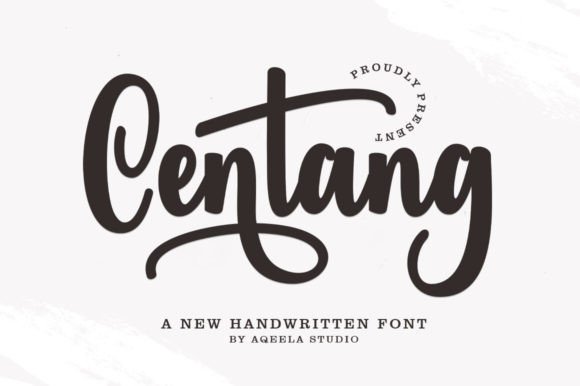
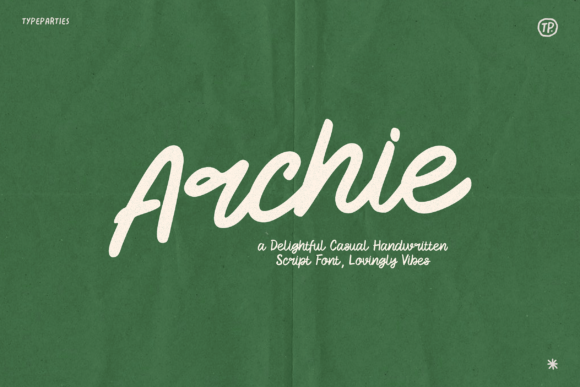
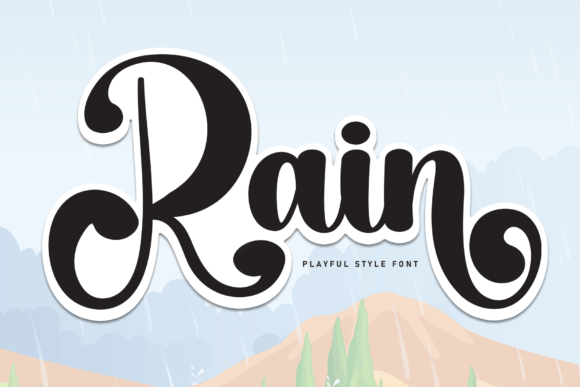
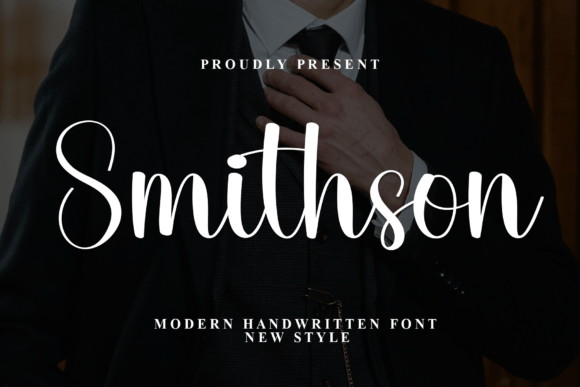
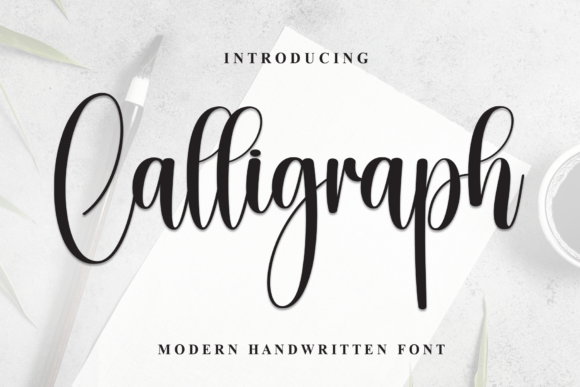
There’s a certain magic in a handwritten note. It carries a personal touch that digital text often lacks—a sense of intention and warmth. This is precisely the feeling the Calligraph font captures. It’s not just a typeface; it’s a digital echo of fluid, graceful motion. Imagine the gentle arc of a dancer’s arm or the soft curl of ink on quality paper. That’s the personality of Calligraph: a charming, elegant script font that brings a whisper of romance and sophistication to any project it graces.
Where Calligraph Truly Shines: From Wedding Invites to Brand Identities
Understanding a font’s soul is one thing; knowing where to deploy it is another. Calligraph, as a premium script font, isn’t for your body text. It’s a display font, designed to make a statement in headlines, logos, and short bursts of impactful copy. Its strength lies in its ability to evoke emotion and set a specific, refined tone.
For event-based design, it’s a natural fit. Wedding invitations, anniversary cards, and gala programs immediately feel more luxurious and personal with Calligraph’s flowing letterforms. In packaging design, especially for artisan goods, cosmetics, or boutique food items, this handwritten font adds an artisanal, high-touch quality that suggests care and craftsmanship. It tells a customer, “This was made with attention to detail.”
For entrepreneurs and marketers building a brand identity, Calligraph can be a powerful tool. It’s ideal for businesses that want to project elegance, creativity, and a personal connection. Think of a boutique hotel’s logo, a florist’s branding, or a luxury skincare line. When used in social media graphics for quotes or announcements, it stops the scroll with its visual beauty, making a simple message feel special. However, consistency is key. Pair it with a clean, legible sans serif font for body copy to maintain professionalism and readability across your website and marketing materials.
Practical Guidance: Choosing and Using Calligraph Effectively
Just because a font is beautiful doesn’t mean it’s the right tool for every job. Here’s how to evaluate Calligraph for your next project.
Evaluating Project Fit and Readability
First, ask yourself: does the project call for a touch of elegance and personality? If you’re designing a corporate annual report, Calligraph is likely the wrong choice. But for a creative font need—like a bakery’s menu, a photographer’s watermark, or the title of a romance novel—it’s perfect. Always consider the medium. On screen, ensure the font size is large enough for its delicate strokes to render clearly. In print, it can often be used at a slightly smaller size, especially on textured paper that enhances its handwritten quality.
Mastering Font Pairings and Visual Hierarchy
The true test of a display font is how well it plays with others. Calligraph demands a stable partner. Its intricate details can become overwhelming if paired with another ornate typeface. The most reliable strategy is to pair it with a simple, geometric sans serif font or a traditional, highly readable serif font. This contrast creates a clear visual hierarchy, allowing Calligraph to headline with grace while the supporting font delivers information clearly. Test your pairings at different scales. A beautiful combination at headline size might become muddy or compete when used for a subheading.
Understanding Styles and Licensing
Before you commit, explore the full font family. Does Calligraph come with alternates, swashes, or ligatures? These extra glyphs are like a designer’s secret weapons. They allow you to customize letter connections and add flourishes, ensuring your design doesn’t look generic. This is particularly valuable for logo design and monograms where uniqueness is paramount.
Finally, if you’re using Calligraph for any commercial project—a client’s website, a product you sell, or your own business materials—you must verify the commercial font license. A license is not just a legal formality; it’s an investment in design assets that protect your work and support the typographers who create them. Reputable foundries and marketplaces provide clear licensing terms for desktop, web, and app use.
In the end, Calligraph is more than just a modern typography choice. It’s a tool for storytelling. Used thoughtfully, it can elevate a design from merely functional to genuinely moving, helping your audience feel the elegance and care you’ve put into your work. It’s a reminder that in our digital world, a touch of the human hand can make all the difference.