Centang: The Handwritten Font That Feels Like a Conversation
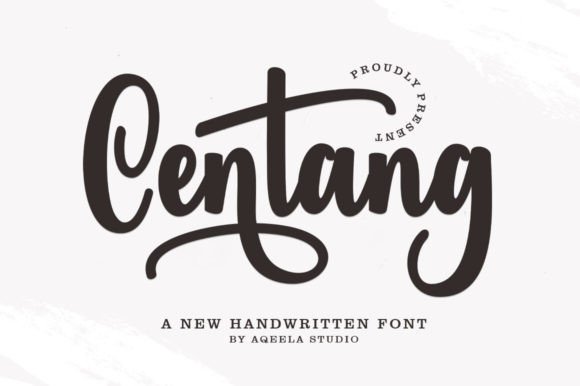
There’s a particular magic in a font that doesn’t just sit on a page but seems to breathe. You know the feeling—when a design moves from competent to captivating because the typeface carries a human pulse. Centang is that kind of creative font. It’s an enchanting handwritten script, but to call it just that feels like an understatement. Think of it as a versatile storyteller in your design toolkit, one that can whisper on a wedding invitation or shout from a bold headline, always with a distinct, romantic personality.
So, what exactly defines Centang’s character? Visually, it’s a premium font crafted with fluid, natural strokes that mimic the rhythm of a confident hand. The letterforms aren’t overly polished or rigidly uniform; they have that slight, appealing irregularity that signals authenticity. The connections between letters feel organic, creating a seamless flow that’s easy on the eyes. This isn’t a distressed, grungy script, nor is it a hyper-elegant calligraphy. Centang strikes a balance—it’s modern, approachable, and carries a warmth that can soften a corporate message or amplify a personal one. Its personality is romantic, friendly, and gently expressive, making it a powerful tool for adding a human touch to any project.
Where Centang Truly Shines: From Brand Marks to Daily Notes
The real test of any display font is its range. Where does Centang belong? The short answer is: anywhere you want to inject personality and connect on an emotional level. Let’s break it down into practical applications.
For brand identity, Centang can be a game-changer. Imagine it as the primary logotype for a boutique bakery, a wedding planning service, or a artisanal coffee shop. It immediately sets a tone of care, craftsmanship, and approachability. In logo design, pairing it with a clean sans serif font or a simple serif font for body copy creates a beautiful contrast, allowing the brand name to feel personal while supporting text remains highly legible. This is a classic font pairing strategy that leverages Centang’s strengths without sacrificing functionality.
Move into editorial design and packaging design, and its versatility continues. Use it for chapter titles in a lifestyle magazine, pull quotes in a blog layout, or the name on a specialty food label. It adds that sought-after “handmade” quality that resonates with consumers looking for authenticity. In the digital realm, it’s a standout for web design hero sections, email headers, and social media graphics. A Instagram quote graphic or a Pinterest pin set in Centang feels immediately more engaging and shareable because it looks and feels human-made.
Don’t overlook the personal and commercial print space. For entrepreneurs creating thank-you cards, product tags, or workshop flyers, Centang delivers a professional yet personal touch. For crafters and hobbyists, it’s perfect for designing custom stationery, scrapbook elements, or even digital planners. Its wide spectrum of applications—from greeting cards to headlines—isn’t just a marketing claim; it’s a practical reality based on its balanced design.
Working With Centang: Practical Tips for Designers and Creators
Choosing a font is only half the battle. Using it effectively is what separates good design from great. Here’s how to get the most out of Centang in your projects.
First, evaluate the project fit. Centang is a script font with a strong personality. It’s ideal for projects where emotion, warmth, and a personal narrative are key. For a legal document or a technical manual, you’d choose a neutral sans serif. But for a restaurant menu, a product launch announcement, or a lifestyle brand, Centang can be the perfect choice. Always consider your audience and the message’s tone.
Next, master font pairing. As a display font, Centang is best used for headlines, logos, and short bursts of impactful text. For body copy, you need a highly readable companion. A simple, geometric sans serif or a classic serif with good x-height works beautifully. The goal is contrast in style but harmony in mood. Test your pairings at various sizes to ensure the hierarchy is clear.
Pay close attention to readability. While Centang is designed for clarity, all handwritten fonts require thoughtful application. Avoid using it for long paragraphs of small text. Its strength is in headlines, subheadings, and short labels. Ensure sufficient contrast with the background color and consider letter-spacing (tracking) if setting it in all caps for a headline—sometimes a slight increase can improve legibility.
Finally, understand the commercial font licensing. If you’re using Centang for client work, merchandise, or any project that will be sold, you must ensure you have the correct license. Most premium font licenses cover specific use cases—desktop, web, app, or e-pub. Always review the license agreement included with your purchase. This is a critical step in maintaining professionalism and respecting the type designer’s work, ensuring your use of this creative font is always above board.
In the end, Centang is more than just a collection of glyphs. It’s a design asset that can elevate your work by making it feel more human, more approachable, and more emotionally resonant. Whether you’re building a brand from the ground up or looking for that one perfect font to complete a design, it offers a rare combination of beauty, versatility, and practical application. Give it a try on your next project—you might be surprised at how much a single typeface can change the conversation.